
Adding shilajit to coffee has become one of the most popular preparation methods among regular shilajit users, and for good reason. Coffee’s temperature, flavour profile, and preparation ritual make it an ideal vehicle for shilajit resin. This page covers how to do it correctly, what the combination tastes like, whether there are any interactions between shilajit and caffeine to be aware of, and why many people find this the most sustainable daily shilajit routine.
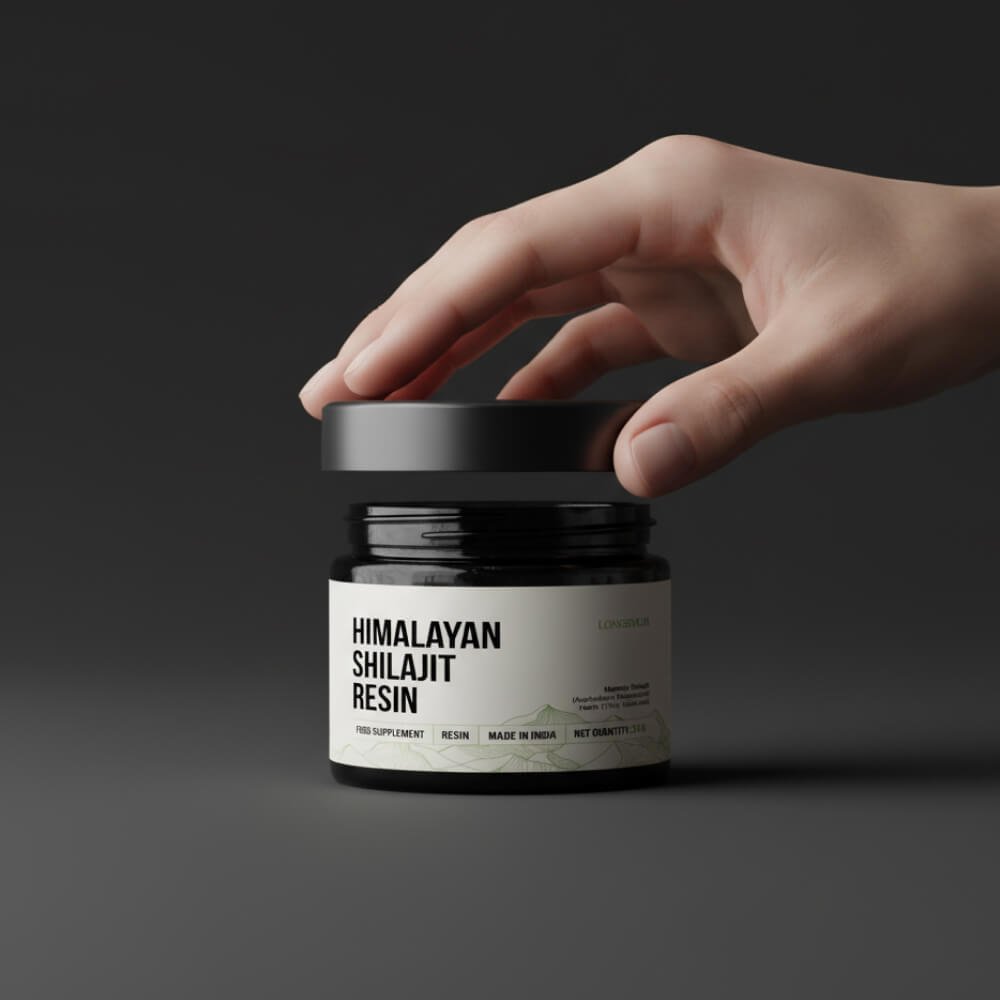
For the full usage guide, see our how to use shilajit page. For our tested product, visit our Himalayan Shilajit Resin page. For quality documentation, see our research and testing page.
Does Shilajit Dissolve in Coffee?
Yes, completely. Freshly brewed coffee at drinking temperature (approximately 60–80°C after serving) is an ideal dissolution medium for shilajit resin. The liquid is warm enough to dissolve the resin quickly, the dark colour of coffee masks the golden-amber colour that shilajit adds, and the strong flavour of coffee effectively masks shilajit’s earthy, bitter taste.
The dissolution process is simple: brew your coffee normally, wait 30–60 seconds for it to cool very slightly from maximum brewing temperature, then add your measured shilajit portion and stir. The resin typically dissolves within 30–60 seconds in hot coffee with gentle stirring.
How to Prepare Shilajit Coffee
- Brew coffee by your preferred method
- Allow to cool 30–60 seconds from peak temperature
- Measure 300–500 mg of shilajit resin
- Add resin to coffee and stir for 30–60 seconds
- Taste and optionally add honey or a small amount of cream to further balance flavour
- Drink immediately
The resulting drink has the flavour of strong coffee with an additional layer of earthiness and slight mineral depth. Many people cannot detect the shilajit addition at all in a strongly brewed coffee. In a milder coffee, the mineral note becomes more noticeable but is generally pleasant once familiar.
Shilajit and Caffeine: Any Interactions?
There are no documented adverse interactions between shilajit and caffeine. These are pharmacologically different substances with different mechanisms of action. Caffeine is a xanthine alkaloid that blocks adenosine receptors in the brain, creating its stimulant effect. Shilajit supports mitochondrial energy production and mineral delivery — a fundamentally different mechanism with no known interference with adenosine receptor activity.
Anecdotally, many users report that combining shilajit with coffee produces a different qualitative experience than coffee alone — a more sustained, less jittery energy profile. This is plausible given that shilajit’s mitochondrial support mechanisms promote more stable cellular energy production, potentially complementing caffeine’s shorter-acting stimulant effect. However, this is a subjective observation and not the result of controlled research.
Does Coffee Temperature Harm Shilajit’s Compounds?
This is a reasonable concern. Shilajit’s dibenzo-α-pyrone compounds are somewhat thermally sensitive, and boiling temperatures could theoretically degrade them. The practical answer is: allow your coffee to cool very slightly from peak brewing temperature before adding shilajit. If you are brewing espresso (water at approximately 90–96°C), the finished espresso in the cup drops to a comfortable drinking temperature (60–75°C) quickly, which is well within the safe range for shilajit’s compounds.
Do not add shilajit to boiling water or steam-hot liquid. Room-temperature or cold coffee is not ideal because the resin will not dissolve properly in cold liquid.
Shilajit Coffee Variations
Shilajit Bulletproof Coffee
Blend strong brewed coffee with a small amount of grass-fed butter or MCT oil, then add shilajit before blending. The fat content emulsifies into the coffee, and many people find this format easy to prepare and sustaining through the morning. The fat may also assist absorption of any fat-compatible compounds in shilajit.
Shilajit Latte
Dissolve shilajit in a small amount of hot espresso or very strong coffee first, then add hot steamed milk. The milk softens both the coffee intensity and the shilajit bitterness significantly. Honey can be added for sweetness. This is one of the most palatable preparation methods for those sensitive to shilajit’s taste.
Shilajit Cold Brew (Not Recommended)
Cold brew coffee does not dissolve shilajit effectively — the resin requires warm liquid. If you prefer cold coffee drinks, dissolve the shilajit in a small amount of hot water first, then add the concentrate to your cold brew.
Why Coffee Is a Great Shilajit Habit Vehicle
For many people, morning coffee is already a deeply established daily habit — one of the most consistent behaviours in their day. Linking shilajit use to an existing habit (called habit stacking) is one of the most reliable ways to maintain supplement consistency. Because consistency over weeks and months is the primary driver of shilajit’s benefits, the coffee integration strategy is genuinely useful beyond just the practical convenience.
To start with our tested Himalayan Shilajit Resin, visit our product page.