This page summarises publicly available scientific research on shilajit, fulvic acid, and trace minerals, alongside the laboratory testing and purification standards commonly applied to mineral-based supplements. It is not intended as medical advice, and no content on this page should be interpreted as a claim that any product diagnoses, treats, cures, or prevents any disease. All research referenced here is drawn from peer-reviewed publications and publicly available scientific literature.
What Researchers Study in Shilajit
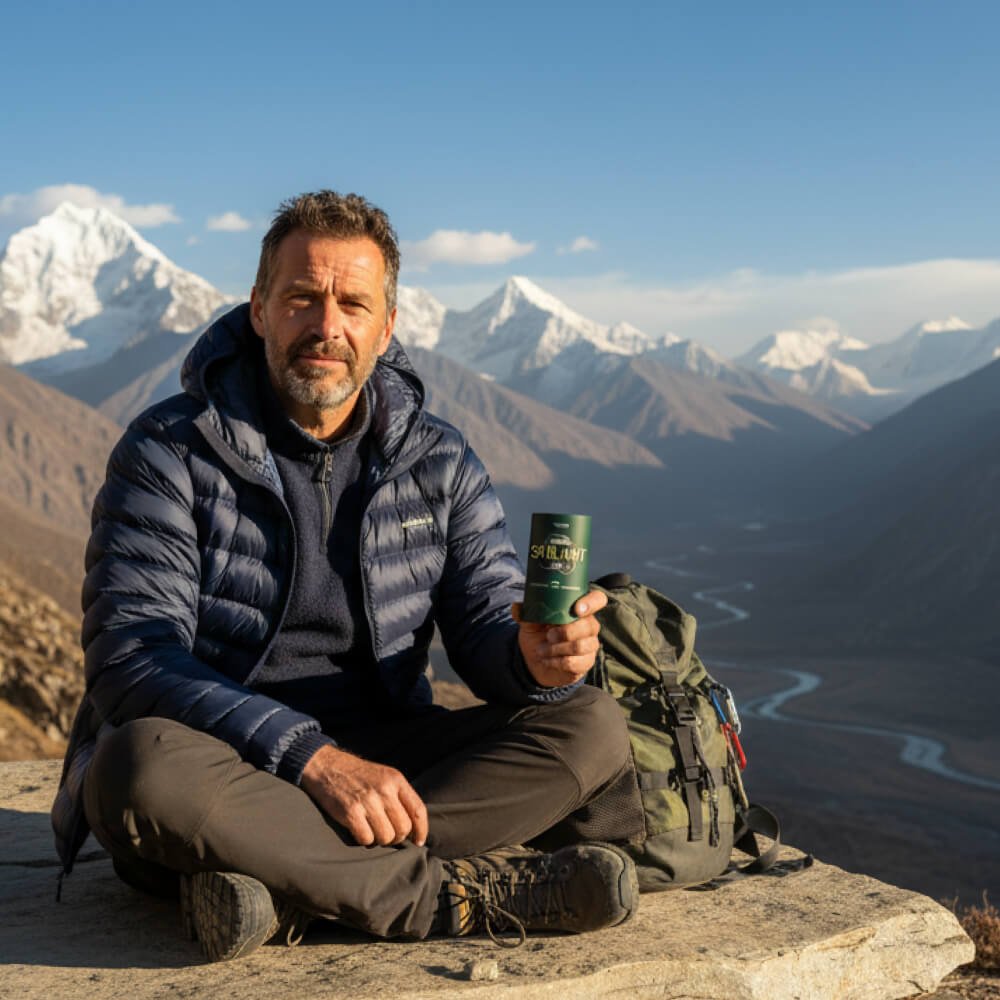
Shilajit is a mineral-rich resin that seeps from sedimentary rock formations in high-altitude mountain ranges, including the Himalayas, the Altai, and the Caucasus. Formed over centuries through the gradual compression of organic plant matter, it has been documented in Ayurvedic texts as a traditional substance associated with vitality and rejuvenation.
Modern scientific interest in shilajit has expanded considerably over the past three decades. Researchers have examined several aspects of its composition and potential biological relevance, including:
Fulvic acid content. Fulvic acid is the primary active fraction of purified shilajit, typically accounting for 60–80% of its composition. It has been examined in research for its role as a chelating agent — a molecule capable of binding to minerals and facilitating their absorption at the cellular level.
Trace mineral composition. Shilajit contains more than 80 trace minerals in ionic form, including iron, magnesium, selenium, and calcium. Researchers have investigated the bioavailability of these minerals and their role in supporting normal physiological function.
Antioxidant properties. Laboratory studies have examined the antioxidant capacity of shilajit’s humic and fulvic fractions, including their potential to scavenge free radicals and reduce oxidative stress markers in experimental settings.
Cellular energy processes. A growing body of preclinical research has explored the relationship between shilajit and mitochondrial function — specifically, the role dibenzo-α-pyrones (DBPs) may play in adenosine triphosphate (ATP) production.
Traditional use documentation. Ethnopharmacological researchers have also compiled extensive records of shilajit’s use across Ayurvedic, Tibetan, and Central Asian traditional medicine systems, providing historical context for modern clinical inquiry.
Examples of Published Shilajit Research
The following studies represent a selection of peer-reviewed research in which shilajit was examined as a subject of scientific investigation. Summaries are presented neutrally and do not imply that these findings apply universally.
Carrasco-Gallardo C, Guzmán L, Maccioni RB. Shilajit: A Natural Phytocomplex with Potential Procognitive Activity. International Journal of Alzheimer’s Disease. 2012; PMC3296184.
Researchers reviewed the chemical composition of shilajit and examined the potential role of fulvic acid in relation to neurological health. The paper discussed laboratory evidence suggesting that fulvic acid may inhibit the self-aggregation of tau fibrils — a protein whose abnormal accumulation has been studied in the context of neurodegenerative conditions. The authors noted that shilajit represents a nutraceutical complex meriting further rigorous clinical investigation, particularly in neurological science.
Das A, Datta S, Rhea B, Sinha M, Veeraragavan M, Gordillo G, et al. The Human Skeletal Muscle Transcriptome in Response to Oral Shilajit Supplementation. Journal of Medicinal Food. 2016;19:701–9.
This study examined changes in gene expression patterns in human skeletal muscle tissue following oral shilajit supplementation. Researchers observed that supplementation was associated with upregulation of pathways related to collagen synthesis and mitochondrial function. The study was conducted in a controlled setting, and the authors indicated that further research is needed to clarify the clinical significance of these observations.
Keller JL, Housh TJ, Hill EC, Smith CM, Schmidt RJ, Johnson GO. The Effects of Shilajit Supplementation on Fatigue-Induced Decreases in Muscular Strength and Serum Hydroxyproline Levels. Journal of the International Society of Sports Nutrition. 2019;16:3. DOI: 10.1186/s12970-019-0270-2.
This randomised, placebo-controlled trial examined 63 recreationally active men who received either 250 mg/day, 500 mg/day, or a placebo over eight weeks. Researchers assessed maximal voluntary isometric contraction strength, fatigue-induced declines in strength, and serum hydroxyproline — a biomarker associated with collagen breakdown. The study observed that both shilajit doses were associated with attenuated strength decreases compared to placebo under fatigue conditions. The authors noted that the findings are preliminary and encouraged further research with larger, more diverse populations.
Ali SM, Iqbal N, Ishaq W, et al. Systematic Review of Shilajit: Clinical Efficacy and Safety. Journal of Population Therapeutics and Clinical Pharmacology. 2024;31(6):1464–1471. DOI: 10.53555/jptcp.v31i6.6677.
A 2024 systematic review applied PRISMA guidelines to assess clinical trials investigating shilajit across a range of health conditions. The authors concluded that while available evidence shows promise across several domains — including fatigue, reproductive health, and cognitive function — the body of literature remains limited by small sample sizes and methodological heterogeneity. The review emphasised that larger, well-designed clinical trials are needed before definitive conclusions can be drawn.
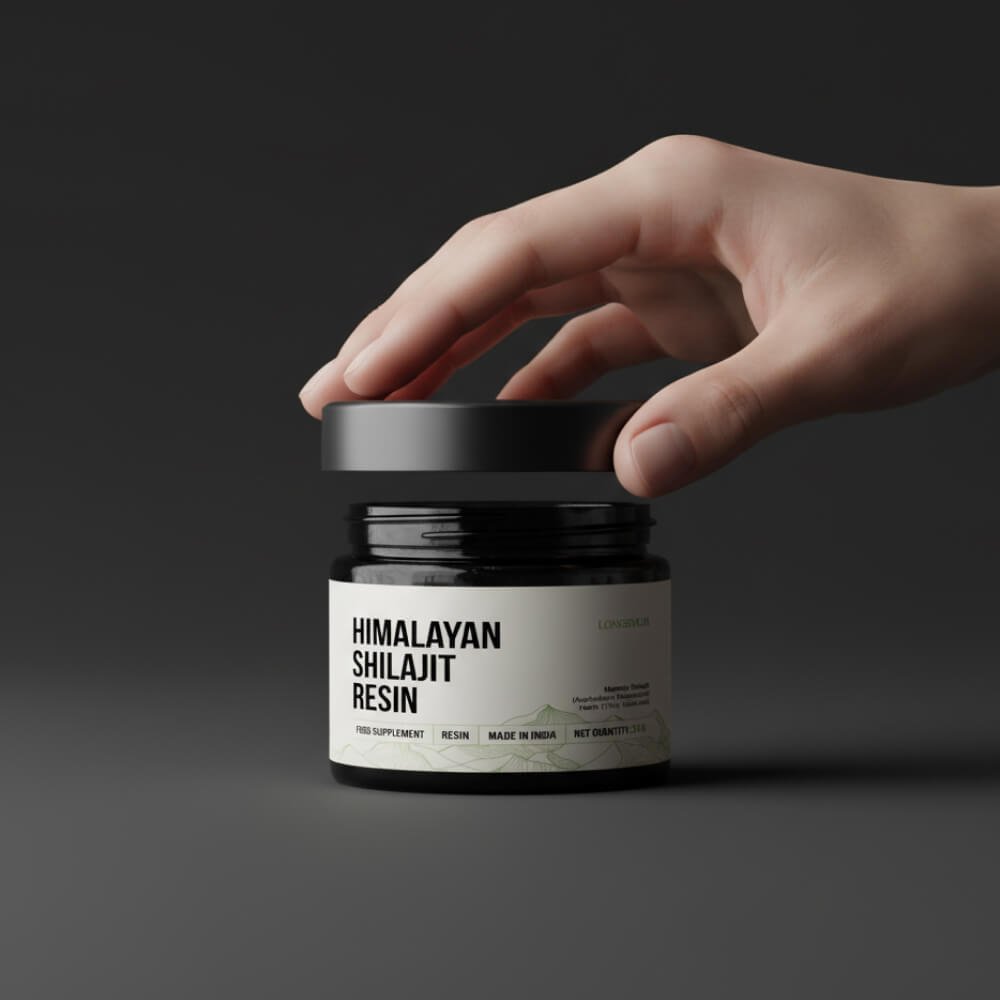
[Learn more about Himalayan shilajit resin and how it is traditionally prepared.]
Human Clinical Research on Purified Shilajit
One of the most frequently cited clinical studies on shilajit in peer-reviewed literature is:
Pandit S, Biswas S, Jana U, De RK, Mukhopadhyay SC, Biswas TK. Clinical Evaluation of Purified Shilajit on Testosterone Levels in Healthy Volunteers. Andrologia. 2016;48(5):570–575. PMID: 26395129.
This was a randomised, double-blind, placebo-controlled trial with a 90-day duration. Participants were 75 healthy adult men between the ages of 45 and 55. Subjects received either purified shilajit (250 mg twice daily) or a placebo over the course of the study period.
Researchers observed statistically significant increases in total testosterone, free testosterone, and dehydroepiandrosterone (DHEAS) levels in the shilajit group compared to the placebo group by the end of the trial. Sperm parameters were also assessed.
It is important to note that this study involved a specific population — healthy adult men aged 45 to 55 — under controlled research conditions. The results reflect observations within this particular study design and should not be interpreted as evidence that purified shilajit will produce identical outcomes in other populations. As with all nutritional research, individual responses may vary. This study does not constitute proof of treatment efficacy for any condition.
[View laboratory testing standards applied to purified shilajit resin.]
Laboratory and Mechanistic Research
Beyond clinical trials, a substantial proportion of shilajit research has been conducted at the laboratory and mechanistic level. These studies help researchers form hypotheses about the biological processes that may underlie observations made in human trials — though laboratory findings do not always translate directly to human outcomes.
Researchers have examined topics including:
Antioxidant activity. Multiple in vitro studies have measured the capacity of fulvic acid and humic substances to neutralise reactive oxygen species (free radicals). These findings have been used to develop hypotheses about the role shilajit may play in reducing oxidative stress at the cellular level.
Fulvic acid chemistry. Research has explored the molecular structure of fulvic acid as it relates to its function as a chelating agent — that is, its potential to bind to metal ions and transport them across cell membranes, potentially improving the bioavailability of dietary minerals.
Mineral transport mechanisms. Preclinical studies have investigated how fulvic acid interacts with various minerals, including iron, and whether its presence may enhance their absorption under specific physiological conditions.
Mitochondrial and cellular energy processes. Animal models and cell-based studies have examined whether dibenzo-α-pyrones, a key component of shilajit, may support mitochondrial efficiency and ATP production. These findings informed the design of subsequent human trials examining physical performance and fatigue.
It is essential to approach laboratory and mechanistic research cautiously. Results observed in cell cultures or animal models do not automatically predict equivalent effects in humans, and findings from these settings require validation through appropriately designed clinical trials.
Third-Party Testing and Quality Standards
The quality and safety of shilajit-based products can vary considerably depending on sourcing, purification methods, and testing practices. Consumers and practitioners are encouraged to seek products that undergo rigorous independent laboratory verification.
Reputable purified shilajit products are typically evaluated against the following parameters:
Heavy metal screening. Shilajit is a geological material that can absorb heavy metals from its environment, including lead, arsenic, mercury, and cadmium. Independent testing using accredited methods — such as ICP-MS (inductively coupled plasma mass spectrometry) — is considered a standard practice for verifying that heavy metal levels fall within safe limits before a product enters the supply chain.
Microbial contamination. As a naturally derived resin, shilajit may be exposed to environmental microorganisms during harvesting. Responsible manufacturers test for the presence of pathogenic bacteria and other contaminants as part of their quality assurance process.
Identity verification. Adulteration is a documented concern in the shilajit market. Authentic shilajit resin should undergo identity testing to verify its composition and confirm that it has not been diluted with inert fillers or undisclosed substances.
Fulvic acid concentration. Since fulvic acid is considered the primary bioactive fraction of shilajit, testing for standardised fulvic acid content provides a consistent reference point for comparing products and dosages across studies and applications.
Independent, third-party laboratory testing — conducted by accredited facilities with no commercial relationship to the manufacturer — provides a higher level of assurance than in-house quality control alone. Transparency in sharing test results, such as Certificates of Analysis (CoAs), allows consumers to make informed decisions.
[Explore how our shilajit is sourced and what our testing process covers.]
Responsible Interpretation of Research
Scientific research on shilajit is developing, and it is important to interpret published findings responsibly.
Study conditions matter. Research findings apply specifically to the populations, dosages, and durations used in each study. A result observed in healthy adult men aged 45–55 in a 90-day trial does not necessarily generalise to women, younger adults, older populations, or people with underlying health conditions.
Individual responses vary. As with all nutritional supplementation, physiological responses to shilajit differ between individuals based on factors including baseline health, diet, lifestyle, genetics, and concurrent medication use.
Supplements are not substitutes for medical care. Scientific interest in shilajit’s properties does not make it a replacement for a balanced diet, regular physical activity, or evidence-based medical treatment. Anyone managing a health condition or taking prescribed medication should consult a qualified healthcare professional before introducing any dietary supplement.
The body of evidence is still growing. As the 2024 systematic review noted, most available clinical trials are small in scale. Larger, multi-site, long-term trials are needed before researchers can draw firm conclusions about shilajit’s effects in diverse populations.
Research Review
This page summarises publicly available scientific research and laboratory testing practices related to purified shilajit and fulvic acid.
Content is compiled from peer-reviewed studies, laboratory publications, and publicly available scientific sources. It is reviewed for accuracy and updated periodically to reflect developments in the published literature.
Research Review Contributor
Oliver Hayes Longevity Research Consultant
Areas of focus:
- Mineral-based supplementation research
- Fulvic acid chemistry and bioavailability
- Nutritional science literature review
Sources and References
- Carrasco-Gallardo C, Guzmán L, Maccioni RB. Shilajit: A Natural Phytocomplex with Potential Procognitive Activity. International Journal of Alzheimer’s Disease. 2012; Article ID 983148. PMC3296184. https://www.ncbi.nlm.nih.gov/pmc/articles/PMC3296184/
- Pandit S, Biswas S, Jana U, De RK, Mukhopadhyay SC, Biswas TK. Clinical evaluation of purified Shilajit on testosterone levels in healthy volunteers. Andrologia. 2016;48(5):570–575. PMID: 26395129. https://doi.org/10.1111/and.12482
- Das A, Datta S, Rhea B, Sinha M, Veeraragavan M, Gordillo G, et al. The Human Skeletal Muscle Transcriptome in Response to Oral Shilajit Supplementation. Journal of Medicinal Food. 2016;19(7):701–709. https://doi.org/10.1089/jmf.2016.0010
- Keller JL, Housh TJ, Hill EC, Smith CM, Schmidt RJ, Johnson GO. The effects of Shilajit supplementation on fatigue-induced decreases in muscular strength and serum hydroxyproline levels. Journal of the International Society of Sports Nutrition. 2019;16:3. https://doi.org/10.1186/s12970-019-0270-2
- Ali SM, Iqbal N, Ishaq W, Shabbir R, Afzal A, Amjad M, et al. Systematic Review of Shilajit: Clinical Efficacy and Safety. Journal of Population Therapeutics and Clinical Pharmacology. 2024;31(6):1464–1471. https://doi.org/10.53555/jptcp.v31i6.6677
- Iqubal A, Qadir A. Clinical studies and safety evidence for human consumption of Shilajit: a herbo-mineral compound with multifaceted health benefits. International Journal of Basic & Clinical Pharmacology. 2025;14(4):630–640. https://doi.org/10.18203/2319-2003.ijbcp20251850
These statements have not been evaluated by a regulatory authority. This content is provided for informational purposes only and is not intended to diagnose, treat, cure, or prevent any disease. Consult a qualified healthcare professional before using any dietary supplement.